
Discover powerful homeschool communication strategies that build connection, reduce conflict, and create peaceful learning rhythms for your family.
The Homeschool Communication Challenge Every Family Faces
It’s 10 AM on a Tuesday. You’ve planned a beautiful science lesson about the solar system for everyone to work on together, but your twelve-year-old is complaining that she doesn’t want to do a project on the solar system with her younger siblings. In fact, she’d rather go read about Queen Catherine the Great. Now after a strained conversation, you can’t find your younger two kids. You’re feeling pressured that there’s too much going on, and it’s all falling apart—derailing your entire daily plan.
Sound familiar?
Homeschool communication brings unique challenges. When you’re trying to be present to each child, honouring their individual learning needs and approaches, while also honouring your own internal needs, conflicts can escalate quickly as you move back and forth between kids.
Moving Beyond Traditional Communication Patterns
As homeschool parents, we’re as likely to default to traditional discipline methods like external control, consequences, rewards, and compliance as anyone else. It’s a parenting approach encouraged by the general culture and it’s easy to do—it’s how most of us were parented.
However, these methods aren’t more effective than engaging kids the same way we effectively engage each other in healthy adult relationships: asking about their feelings, assessing their underlying needs, and teaching them how to make respectful requests. When home education and family life are intertwined, we need homeschool communication approaches that honour the whole person, not just compliance.
And though that approach was my default setting for a very long time, I know now that it just doesn’t work.
And though that approach was my default setting for a very long time, I know now that it just doesn’t work. Not if we want our kids to understand their feelings, acknowledge and honour their feelings and needs, then learn how to do the same for their friends, partners, and kids one day too.
Enter Nonviolent Communication: Revolutionary Homeschool Communication
Nonviolent Communication (NVC), developed by Marshall Rosenberg, offers a revolutionary approach to homeschool communication that’s perfectly suited for homeschool families. Rather than focusing on compliance, NVC focuses on connection, understanding, and collaborative problem-solving.
The beauty of NVC for homeschool families is that it serves dual purposes: it creates peaceful daily rhythms AND teaches your children invaluable life skills they’ll use forever. Since home education and family life are intertwined, this approach flows naturally into the entire family experience.
WATCH: Complete NVC Training for Homeschool Families
Ready to see these homeschool communication principles in action? Watch my complete 25-minute video training below:
“Ready for a Relationship Reset? 5 NVC Lessons Every Homeschool Parent Should Know”
Video Duration: 25 minutes | Best viewed with notebook for taking action steps
In this comprehensive training, you’ll see real homeschool communication scenarios and learn specific phrases and techniques you can start using immediately with your children.
The 5 Essential NVC Lessons for Effective Homeschool Communication
1. Observation Without Evaluation: Clear Homeschool Communication
The Challenge: “You never listen to instructions!” or “You’re being lazy about your math!”
The NVC Homeschool Communication Approach: Learning to describe what we observe without mixing in our judgments or interpretations.
Instead of: “You’re not paying attention to this lesson.” Try: “I notice you’ve looked away from your workbook three times in the past five minutes.”
This simple shift changes everything in homeschool communication. When we separate observation from evaluation, we create space for curiosity instead of defensiveness. Your child can hear the observation without feeling attacked, and you can explore what’s really happening together.
In Practice: When your child seems distracted during a lesson, pause and notice what you’re actually observing versus what story you’re telling yourself about their behavior. This creates an opening for connection rather than correction.

2. Expressing Feelings: Emotional Awareness in Homeschool Communication
The Challenge: Homeschool days can be emotionally intense, but many families don’t have language for navigating feelings through effective communication.
The NVC Approach: Developing a rich vocabulary for emotions and modeling emotional honesty in your homeschool communication.
Traditional approach: “I’m frustrated with your attitude.” NVC homeschool communication: “I’m feeling discouraged because I’ve prepared this lesson and I’m hoping we can explore it together.”
When you model emotional awareness in your homeschool communication, you teach your children that feelings are information, not problems to be fixed. This is especially powerful in homeschooling because emotional regulation directly impacts learning capacity.
In Practice: Create a family feelings vocabulary. When tensions arise during lessons, pause to identify and name what everyone is feeling. This often dissolves conflict before it escalates.

3. Identifying Underlying Needs: The Root of Homeschool Communication Issues
The Challenge: Managing behavioral issues during learning time without understanding their source.
The NVC Approach: Recognizing that all behavior is an attempt to meet a need—a cornerstone of effective homeschool communication.
When your child resists a math lesson, instead of focusing on compliance, you might discover they need:
- Autonomy (choice in how they approach the problem)
- Competence (confidence that they can succeed)
- Connection (your presence and support)
- Movement (their body needs to be active)
In Practice: When conflict arises, ask yourself: “What need might my child be trying to meet right now?” This question transforms your homeschool communication from reactive to responsive.

4. Making Requests Instead of Demands: Collaborative Homeschool Communication
The Challenge: Maintaining structure while honoring your child’s autonomy in daily homeschool communication.
The NVC Approach: Learning the difference between requests and demands in homeschool communication.
A demand sounds like: “You need to finish this worksheet before lunch.” A request sounds like: “Would you be willing to work on three more problems before we take our lunch break?”
The difference is subtle but profound in homeschool communication. Requests leave room for negotiation and maintain relationship, while demands often create resistance and power struggles.
In Practice: Notice when you’re making demands versus requests in your homeschool communication. Requests include the willingness to hear “no” and explore alternatives together.

5. Empathetic Listening: Deep Homeschool Communication
The Challenge: Moving beyond surface-level communication to deep understanding.
The NVC Approach: Listening for the feelings and needs behind your child’s words—the essence of transformative homeschool communication.
When your child says: “This is boring and stupid!” Instead of: “Don’t talk that way about your schoolwork.” Try empathetic listening: “It sounds like you’re feeling frustrated and maybe needing something more engaging?”
Empathetic listening creates safety for your child to share their real experience, which gives you the information you need to adjust your approach.
In Practice: When your child expresses resistance or upset, resist the urge to immediately solve or correct. Instead, listen for what they’re really telling you about their inner experience.

Implementing NVC in Your Daily Homeschool Communication
Morning Check-ins
Start each day by checking in with feelings and needs. “How is everyone feeling this morning? What do we need to have a good learning day together?”
Conflict Resolution Breaks
When tensions arise, pause for an NVC break. Identify observations, feelings, needs, and requests before continuing with academic work.
End-of-Day Reflection
Review the day together using NVC language. What worked well? What needs weren’t met? How can tomorrow be better?
The Ripple Effect: Beyond Homeschool Communication
When you implement NVC in your homeschool communication, the benefits extend far beyond academic learning. Your children develop:
- Emotional intelligence that serves them in all relationships
- Conflict resolution skills they’ll use throughout life
- Self-awareness that supports mental health and decision-making
- Empathy and compassion for others
- Communication skills that enhance every future relationship
These are the real gifts of education—not just academic knowledge, but the life skills that create thriving human beings.
Common Homeschool Communication Challenges and Solutions
“But what about boundaries and structure?” NVC doesn’t mean permissive parenting. It means collaborative problem-solving that maintains necessary structure while honoring everyone’s needs.
“This takes too much time!” Initially, NVC conversations may take longer, but they prevent many future conflicts and actually save time in the long run.
“What if my child refuses to engage?” Start with modeling NVC yourself. Children learn more from what they observe than what we teach directly.

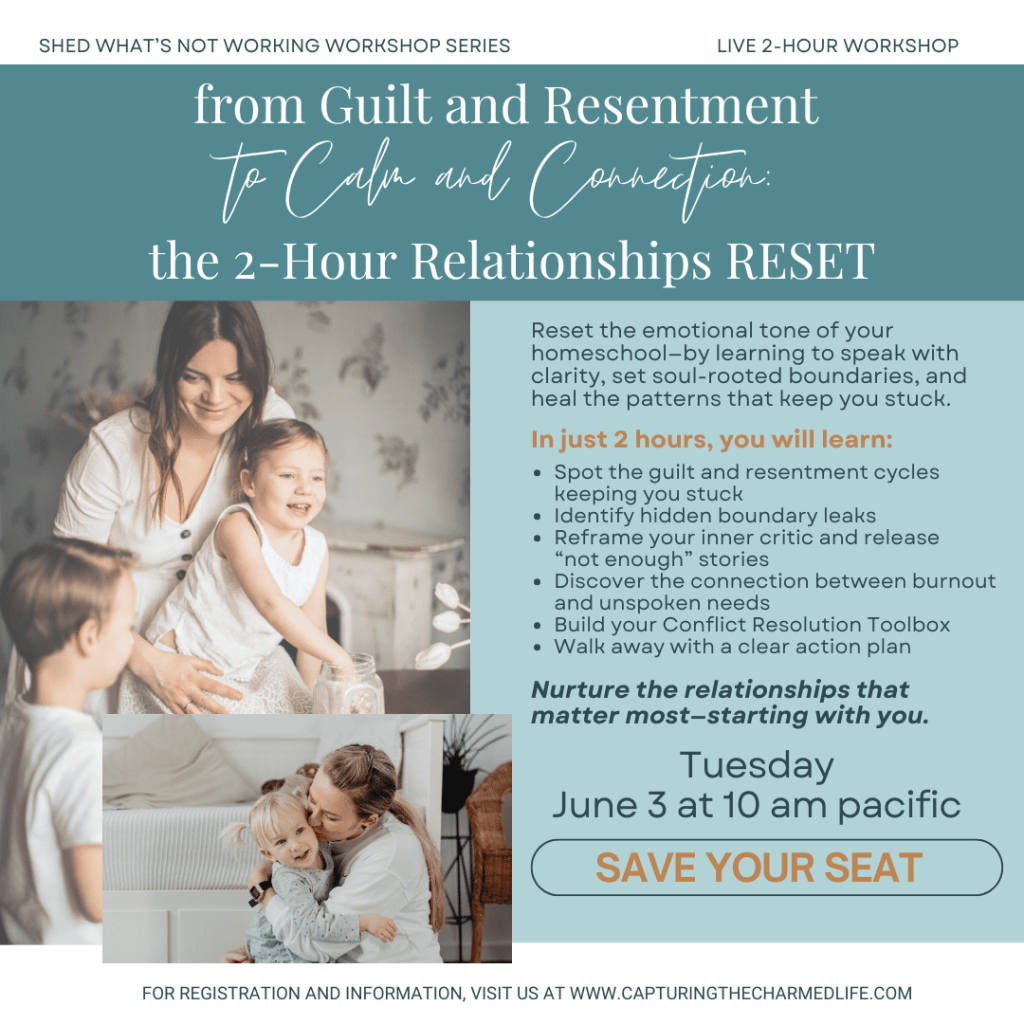
Join Me for The Relationship Reset Workshop
Tuesday, June 3rd | Transform Your Family Communication
Ready to dive deeper into these homeschool communication strategies? Join me for an intensive workshop where we’ll practice these NVC principles with real homeschool scenarios.
What You’ll Learn:
- Recognize emotional loops that keep you stuck in guilt and burnout
- Set boundaries that feel good and actually stick—without second-guessing
- Shift the way you speak to yourself (and your kids) in hard moments
- Name and express your real needs—without over-explaining
- Start tending to your relationship with YOU—the one that changes everything else
A 2-hour live, interactive workshop to help you reset the emotional tone in your homeschool—using a soul-rooted method you can actually stick with.
The Plan is Simple:
- Register for the live workshop
- Show up with a notebook, a cup of tea, and your real self
- Walk away with your Personal Relationship Reset Plan—ready to use the very next day
You Don’t Need to Overhaul Everything.
You just need a reset.
One rooted in clarity, compassion, and confident leadership.
Because when you reset you, you reset everything else—your homeschool, your relationships, your peace.
Ready for Personalized Support?
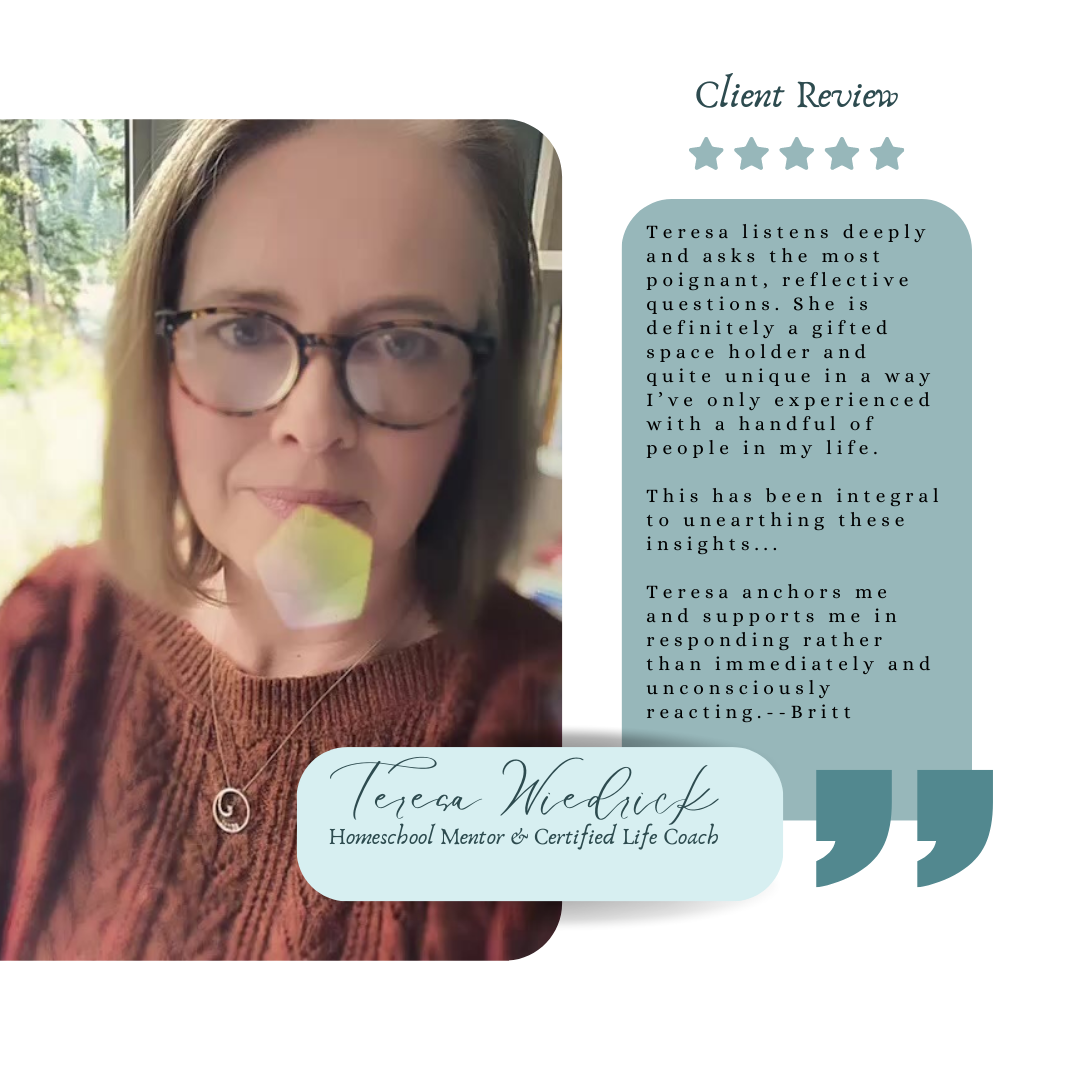
Book a No-Obligation Discovery Call
Struggling with specific homeschool communication challenges? Let’s unpack your present relational challenges together and explore how coaching might be a useful next step for your family.
In our 30-minute conversation, we’ll:
- Identify your biggest homeschool communication obstacles
- Discover what’s really driving family conflict
- Explore practical next steps for your unique situation
- Determine if coaching is the right fit for your family
Additional Resources for Homeschool Communication
Boundary Building Course
Learn to set healthy boundaries that support both learning and family harmony. This comprehensive course teaches you how to maintain structure while honoring everyone’s needs.
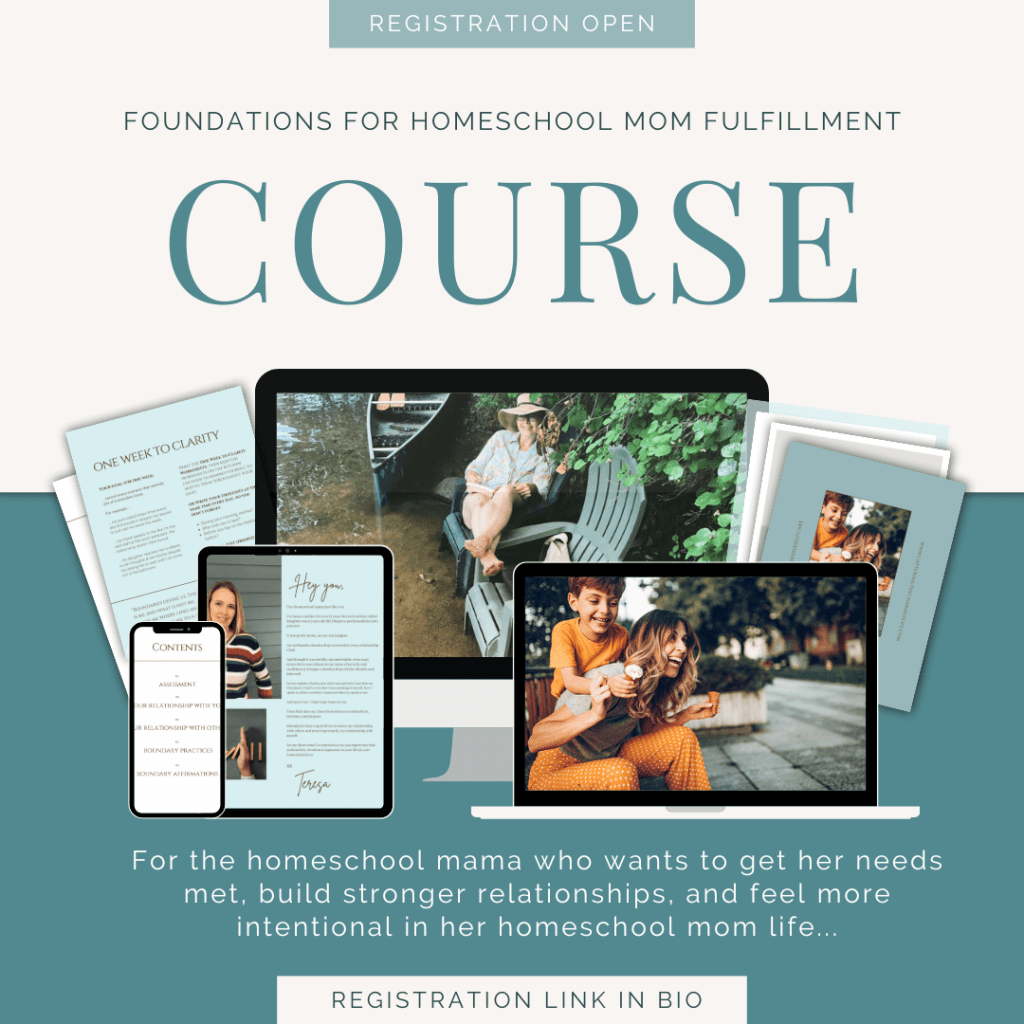
Building Boundaries for Homeschool Mama Coaching Course
Begin a transformative journey with the self-directed course, “Foundations of Homeschool Mom Fulfillment: Building Boundaries for the Homeschool Mama.” Tailored for homeschool mamas seeking fulfillment, stronger relationships, and intentional living, this course empowers you to clarify your needs, navigate relationship challenges, and rediscover your identity. With practical tools and actionable steps, this course is designed to address boundary challenges, foster stronger connections, and guide you toward becoming a more intentional and fulfilled version of yourself.
Boundary Building Journaling Workbook
A practical companion for daily reflection and growth. Use guided prompts to strengthen your homeschool communication skills and build healthier family patterns.

Build Boundaries in Your Homeschool (& Life) Journaling Workbook
Build Boundaries in Your Homeschool (& Life) Journaling Workbook
Ready to homeschool with purpose and confidence? This workbook guides you through setting boundaries that bring clarity, reduce overwhelm, and align your homeschool with your authentic self. Discover how to reclaim your time, improve relationships, and confidently advocate for yourself—creating a life and homeschool that truly reflects your values. Filled with journaling prompts and practical exercises, this workbook empowers you to establish boundaries that nurture both your family’s needs and your own well-being.
Have you tried implementing NVC in your homeschool communication? What challenges or successes have you experienced? Share your thoughts in the comments below—I’d love to hear about your family’s communication journey.
Additional Resources for Homeschool Communication
- Book Recommendation: “Nonviolent Communication: A Language of Life” by Marshall Rosenberg
- Community Support: Join the Confident Homeschool Mom Collective for ongoing encouragement and practical tips
People also ask:
- How Nonviolent Communication Informs my Homeschool
- How to Use Nonviolent Communication in our Homeschools
- Counseling 101: a Homeschool Parent’s Most Important Skill
- 7 Effective Tools to Build Boundaries (& Why You Require Them)
- Dive into 10 Helpful Books for Homeschooling Moms!
- The Ultimate Guide to Building Boundaries and Healthy Relationships for Homeschool Moms
- Tired of Homeschool Sibling Fights? Try These 3 Simple Strategies!
- How to Use The Five Love Languages for Homeschool Families
- Sibling Bickering in Homeschool Families: What’s Normal & How to Handle It
- Relationship Revolution: Level Up Your Homeschool Mom Connections!
- Foster Strong Relationships in Your Homeschool Family
- 8 Great Reasons a Life Coach for Homeschool Moms will Benefit You

Teresa Wiedrick
I help homeschool mamas shed what’s not working in their homeschool & life, so they can show up authentically, purposefully, and confidently in their homeschool & life.
