
The other night, my daughter appeared in the doorway holding a page covered in symbols — the kind of moment you don’t expect when you set out to unschool high school and prepare for college.
I looked at her face — genuinely lit up — and smiled. “I love you,” I said, “but not really,” I giggled. And then I listened the same way I’d listen if she began speaking to me in Hindi.
She laughed and went back to her room. But I kept thinking about that moment. Not the calculus. The look.
I have four kids navigating education right now — one in her first year of college (a second degree), one just finishing an honours psychology degree, one sampling online classes, and my youngest wrapping up high school. They landed in different programs, different schools, different stages. But watching all of them move through unschooling and into high school and college has taught me something I didn’t fully understand when we were deep in our homeschool years:
The goal was never the content. It was always the capacity.
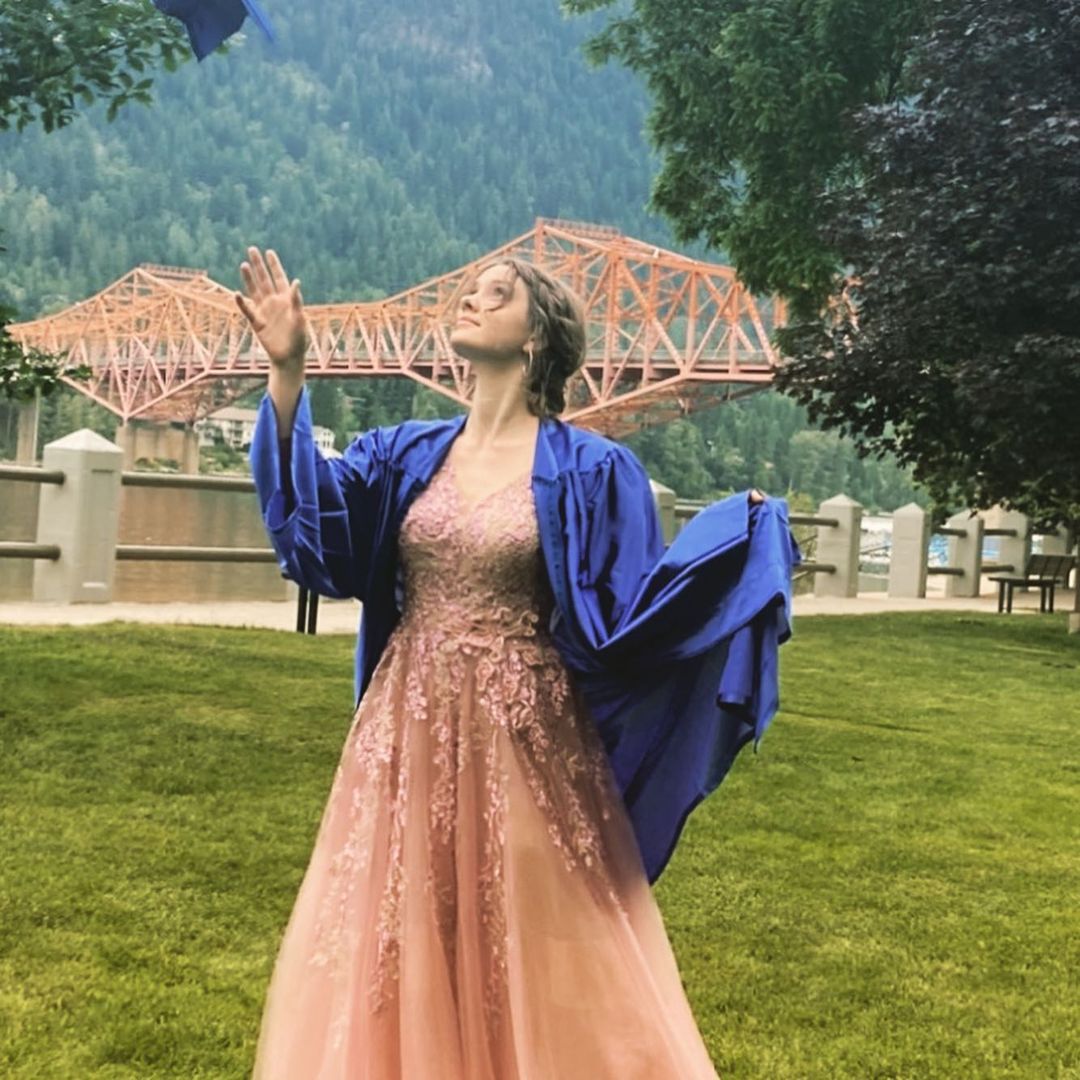
Why Memorizing Isn’t Mastering — And What Unschooling Does Instead
My daughter who’s studying psychology unpacked a class discussion about memory. Same-day review, she explained, is one of the most powerful tools for long-term retention. And flashcards, while useful for recognition, don’t build real understanding, she declared.
Real understanding, she said, is when you can take a concept out of the context where you first learned it — and apply it somewhere else entirely.
I knew exactly what she meant, because I’d lived the opposite.
In grade 12, I sat with a math tutor trying to understand trigonometry. I could memorize the formula. I could reproduce the steps I’d been shown. But the moment a problem was framed differently, I’d freeze. I wasn’t doing math. I was doing mimicry.
That’s the gap between memorizing and mastering — and it’s wider than most traditional schooling acknowledges. It’s also the gap that learning how to unschool high school is designed to close.
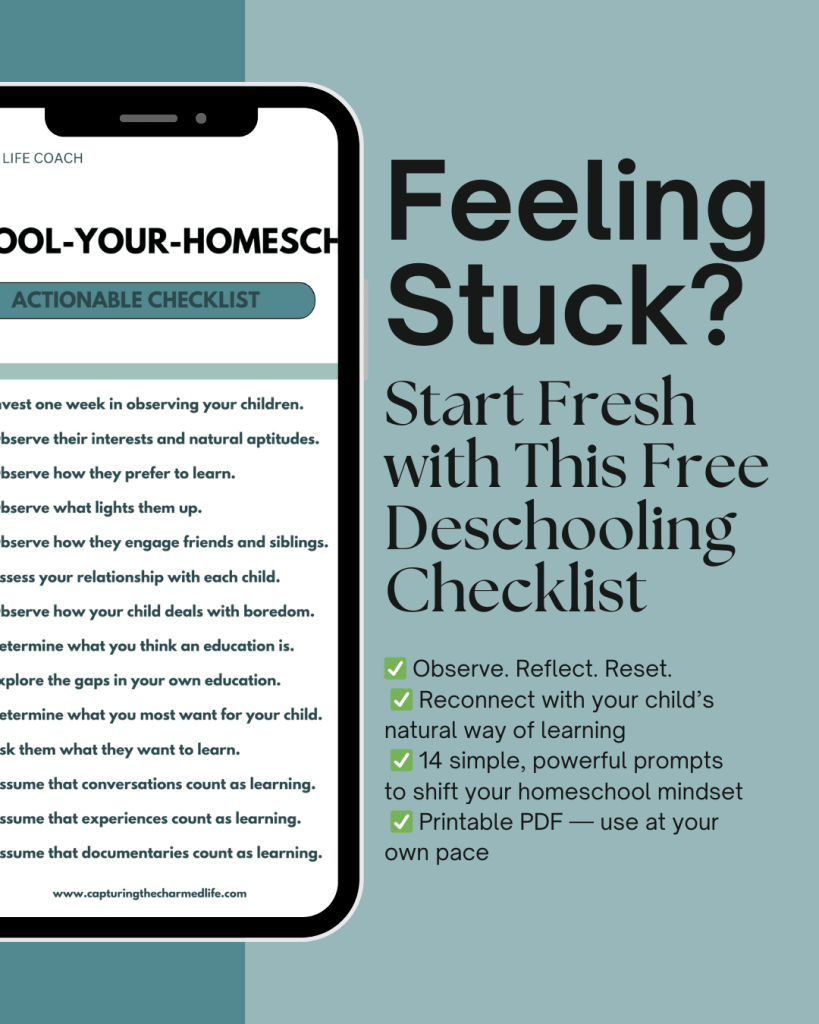
Before You Can Unschool High School, You Need to Deschool
If any of this is resonating — the gap between memorizing and mastering, the sense that your homeschool has started to look more like school-at-home than you intended — there’s a good chance deschooling is the missing piece. It’s the step most families skip entirely when they transition out of traditional school, or when they feel the pull to reset what they’ve already built. And it matters more in the high school years than at any other stage, because by now both you and your teen have years of school-think baked in.
Before you redesign your approach, it’s worth taking the time to unlearn what’s been quietly running the show.
What Unschooling High School Actually Builds in Your Teen
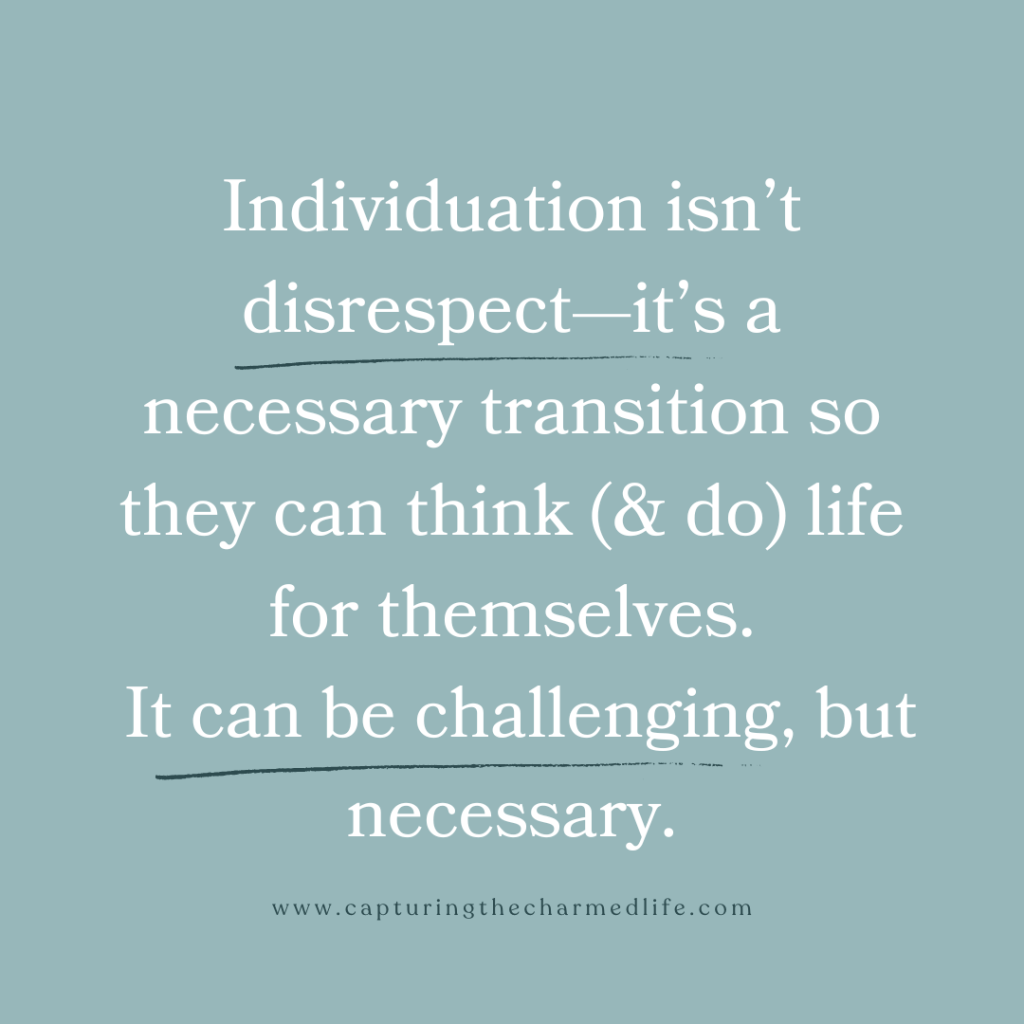
What strikes me about my kids is that they know the difference. They talk about how they memorize, how they review, how they test their own understanding. They’ve made learning how to learn a skill in itself — and they pursue it deliberately.
Even more surprising to me: they do this together. Different courses, different disciplines — psychology, chemistry, calculus, ancient Greek — and they come home and explain it to each other. Or they chat on the telephone, because not everyone took college close to home. They don’t do this to compete. Not to show off. Just because an idea is interesting and they want to share it.
That’s not something I taught explicitly. But I think I know where it came from.
How to Unschool High School and Prepare for College: What We Actually Did
Our homeschool years weren’t structured around performance. My husband and I didn’t push for high marks or enforce academic discipline in the conventional sense. (Though both of us did well in our programs).
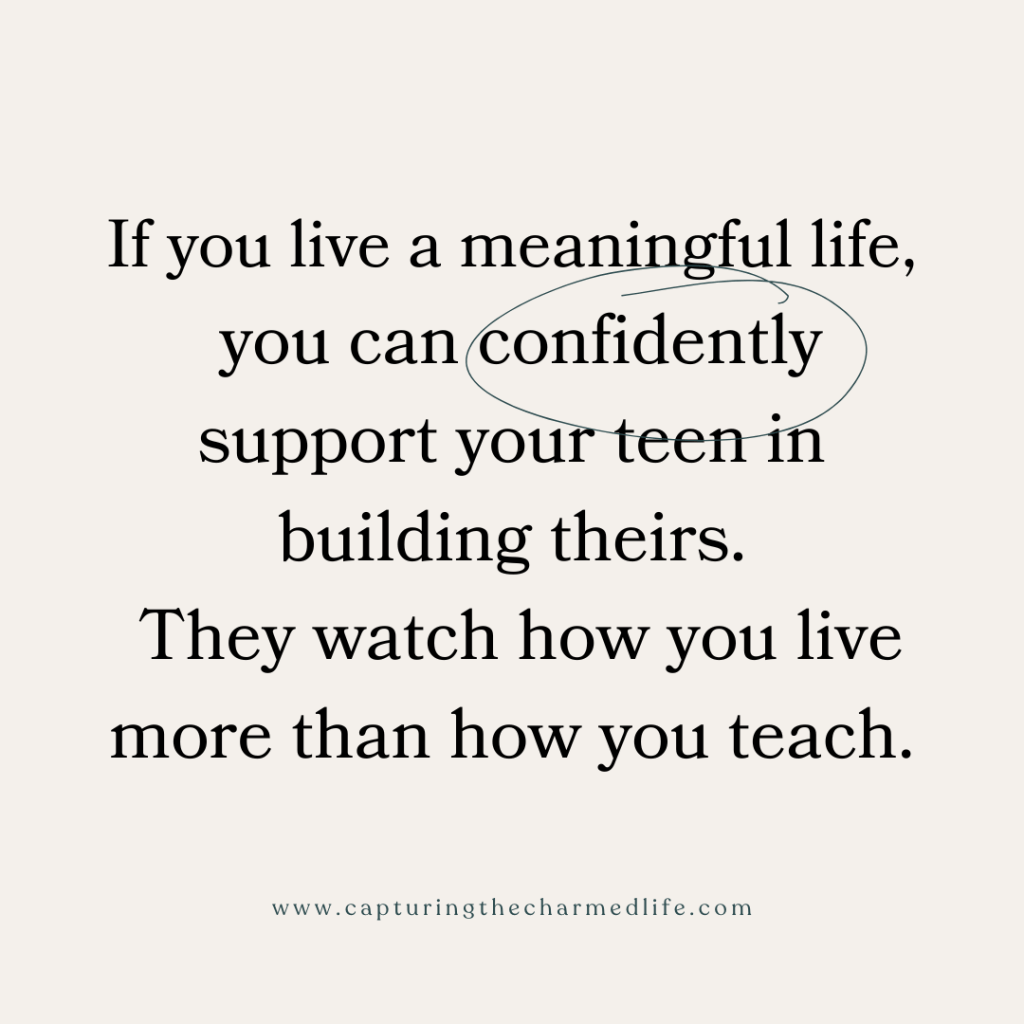
What we did — consistently, almost unconsciously — was model curiosity. We read widely, asked questions out loud, we had conversations, and we let our kids watch us not know things, and then figure them out.
The environment we created wasn’t “school at home.” It was closer to: ideas are worth chasing, learning many things is part of the process, and understanding something deeply is its own reward.
If I had to name the practical things that made a difference when figuring out how to unschool high school and prepare for college, they’d be these:
Talk About Learning, Not Just Completion
We talked about what we were learning, not just whether we’d completed it. We asked “why does this work?” more than “what’s the answer?”
Model the Process Out Loud
When I didn’t understand something, I said so — and then worked through it in front of them. Learning wasn’t something that happened to them. It was something we all did.
Let Subjects Bleed Into Each Other
We didn’t silo subjects. A history question might lead to a geography detour, a philosophy tangent, a discussion about how people think. That habit of making connections across fields is exactly what they’re doing now in college.
Protect Their Intrinsic Motivation
We didn’t reward grades (even when certain kids went to a formal high school). We noticed effort, curiosity, persistence. That distinction matters more than I realized at the time.
What Does Unschooling High School Look Like? A Real Conversation
Reading about how to unschool high school and prepare for college is one thing. Hearing two moms who’ve lived it talk honestly about the journey is another.
I sat down with Judy Arnall — author of Unschool to University and one of the most grounded voices in the self-directed learning world — to talk about exactly what it looks like to trust your teenager’s learning through high school and out the other side. We cover the doubts, the college question, what “readiness” actually means, and why the unschooling years don’t just prepare kids for university — they prepare them for life.
If you’re in the thick of homeschooling high school and wondering whether this path leads somewhere real, this conversation is for you.
How Unschooling High School Prepares Kids for College and Life
Now I watch my kids in college — navigating demanding professors, arbitrary rubrics, the occasional assignment that seems designed to trip them up — and they persist. Not out of pressure. Because they actually want to understand and they’ve got a goal.
They know when they’ve grasped something. They know when they haven’t. And they know how to ask for help, how to find the gap, how to keep going.
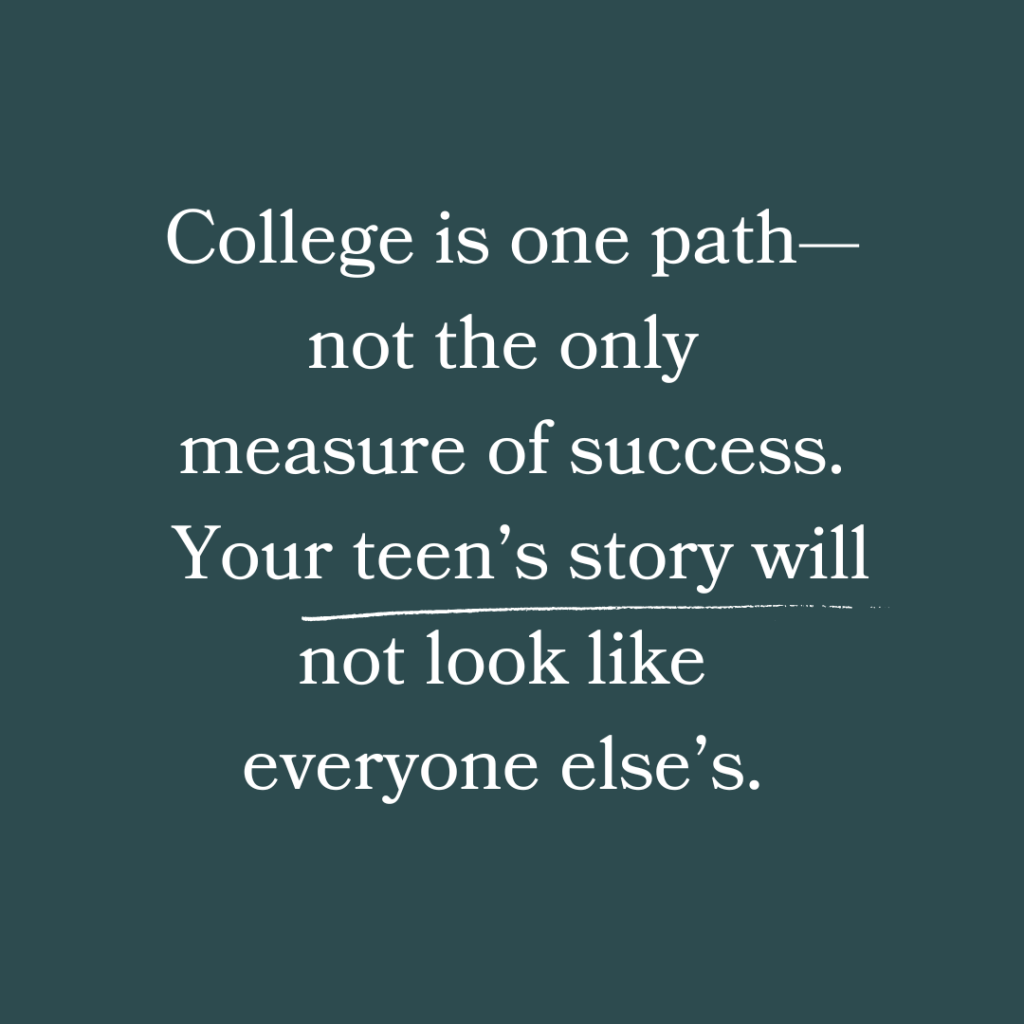
That metacognitive awareness — knowing how you learn — is, I’d argue, the most transferable skill education can give a person. And it doesn’t come from any single curriculum. It comes from years of being in an environment where thinking is valued, questions are welcome, and the process matters as much as the outcome.
We never stop learning how to learn. I’m proof of that — still picking up new frameworks on how to bring confidence, clarity and intention into homeschool mom’s lives.
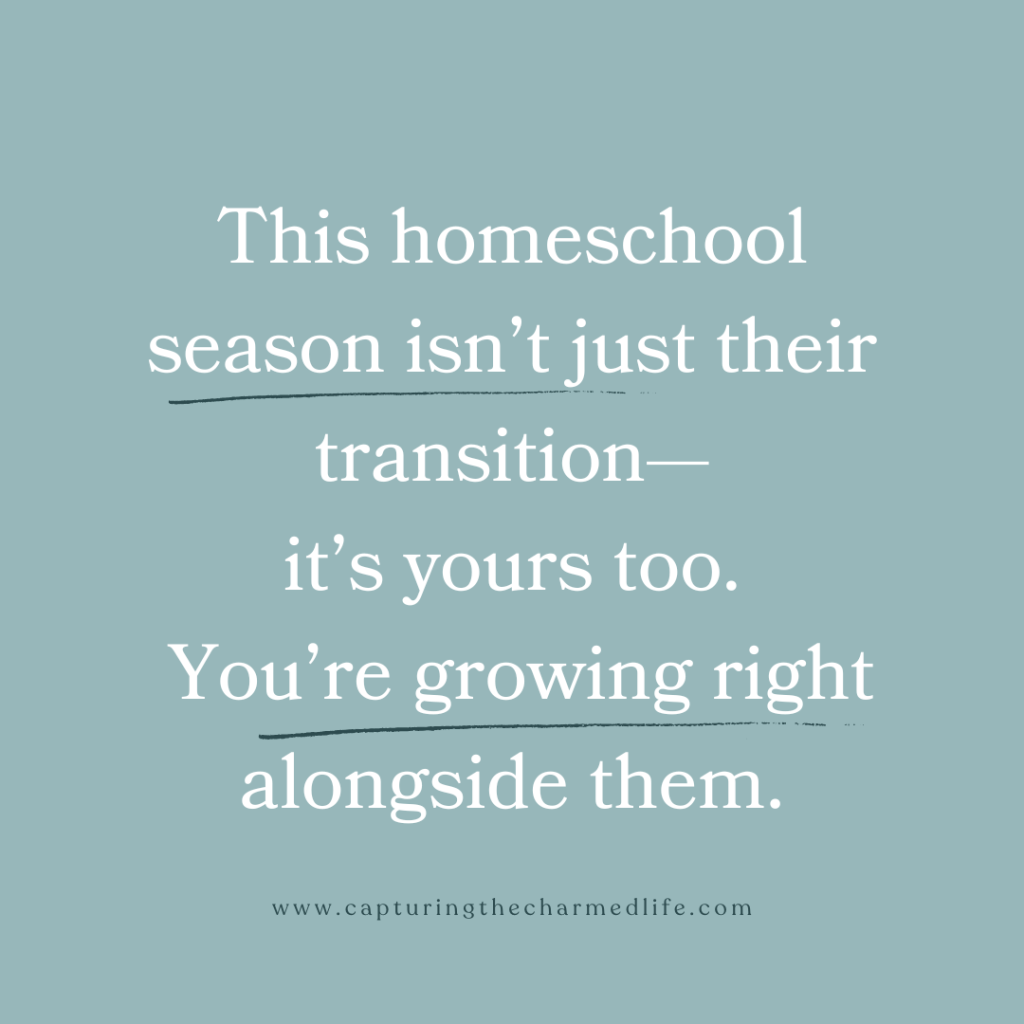
But watching my kids move from our homeschool table to college classrooms has clarified something for me: the real work of education isn’t filling kids with content. It’s building people who know how to engage with ideas — any ideas, for the rest of their lives.
Unschooling through the high school years produces exactly the kind of learner college — and life — rewards. That’s the goal. Everything else is in service of it.



Frequently Asked Questions: Unschooling High School and College Prep
Can unschooling in high school really prepare my teen for college?
Yes — and the research backs it up. When teens are trusted to pursue genuine interests, they develop the metacognitive skills — knowing how to learn, how to ask for help, how to transfer knowledge — that colleges actually reward. Unschooling high school and preparing for college aren’t in conflict; they’re deeply aligned.
What does it actually look like to unschool through high school?
Unschooling in the high school years means trusting that a teenager’s genuine interests can drive rigorous, real learning — without a traditional curriculum forcing the pace. It looks less like school-at-home and more like an apprenticeship in thinking. → How to unschool high school
How do I know if my homeschool is working if we don’t follow a rigid structure?
Structure isn’t the measure — growth is. When kids pursue ideas with genuine curiosity, make connections across subjects, and can explain their thinking, something real is happening. The seasons of your homeschool won’t all look the same, and that’s okay. → Seasons in our Homeschool: Embrace the Ever-Changing Rhythms
I love my kids but I’m losing myself in this. Is that normal?
Yes — and it matters that you name it. Knowing who you are outside of “homeschool mama” isn’t a luxury, it’s the foundation. You can’t model curiosity and aliveness if you’ve quietly abandoned your own. → Do you know who you are, homeschool mama?
Are there unschool moms doing talking honestly about it?
There is, and finding your people changes everything. Real conversations — not curated highlight reels — about the hard parts and the unexpected joys are what sustain long-term homeschooling. → Unschool Mothers: Candid Conversation with Virtual Kitchen Table
Is there both an art and a science to educating my child?
Yes — and holding both is the tension at the heart of good homeschooling. The science tells us how memory, motivation, and mastery work. The art is knowing your child well enough to apply it. → Is there an art and a science to an education?
Who is John Taylor Gatto and why do homeschoolers talk about him so much?
Gatto was a New York City Teacher of the Year who became one of the most compelling critics of compulsory schooling. His ideas about self-directed learning, community, and the hidden curriculum of school are genuinely worth sitting with. → 7 Freedom-Loving Ways John Taylor Gatto Informs your Homeschool
How do I raise kids who can think and work independently without it feeling like a fight?
Independence isn’t demanded — it’s grown. It starts with small, real responsibilities and an environment where kids are trusted to figure things out. The goal is to gradually become less necessary. → How to Encourage Independence in your Homeschool
How do I keep our homeschool from becoming overwhelming and complicated?
Simpler is almost always better. A purposeful, unhurried homeschool life — one that fits your actual family — outlasts any elaborate system you can’t sustain. → How to live your simple homeschool life on purpose
What if our homeschool needs to look completely different in different seasons of life?
It should. Trying to maintain one fixed approach through every season of your family’s life is one of the fastest routes to burnout. Flexibility isn’t failure — it’s wisdom. → Allowing for Two Seasons in our Homeschool & How to Do It
What does unschooling actually look like in practice?
Sometimes you need to hear it from someone living it, not just read about it. I walk through what real unschooling looks like day to day. → How Do I Unschool My Child? 5 Simple Steps to Set Them Free
Can my child develop real skill in something like music without formal lessons?
More than you might expect. Getting out of the way — removing pressure, grades, and forced practice — can sometimes unlock exactly the intrinsic motivation that makes mastery possible. → Unschool music training by doing nothing at all
How do I teach my child how to learn, not just what to learn?
This is the question underneath all the others. John Holt and Pat Farenga argue that children are natural learners when their curiosity isn’t systematically interrupted — and that learning how to learn is recoverable at any age. → John Holt & Pat Farenga Teach Homeschoolers How to Learn
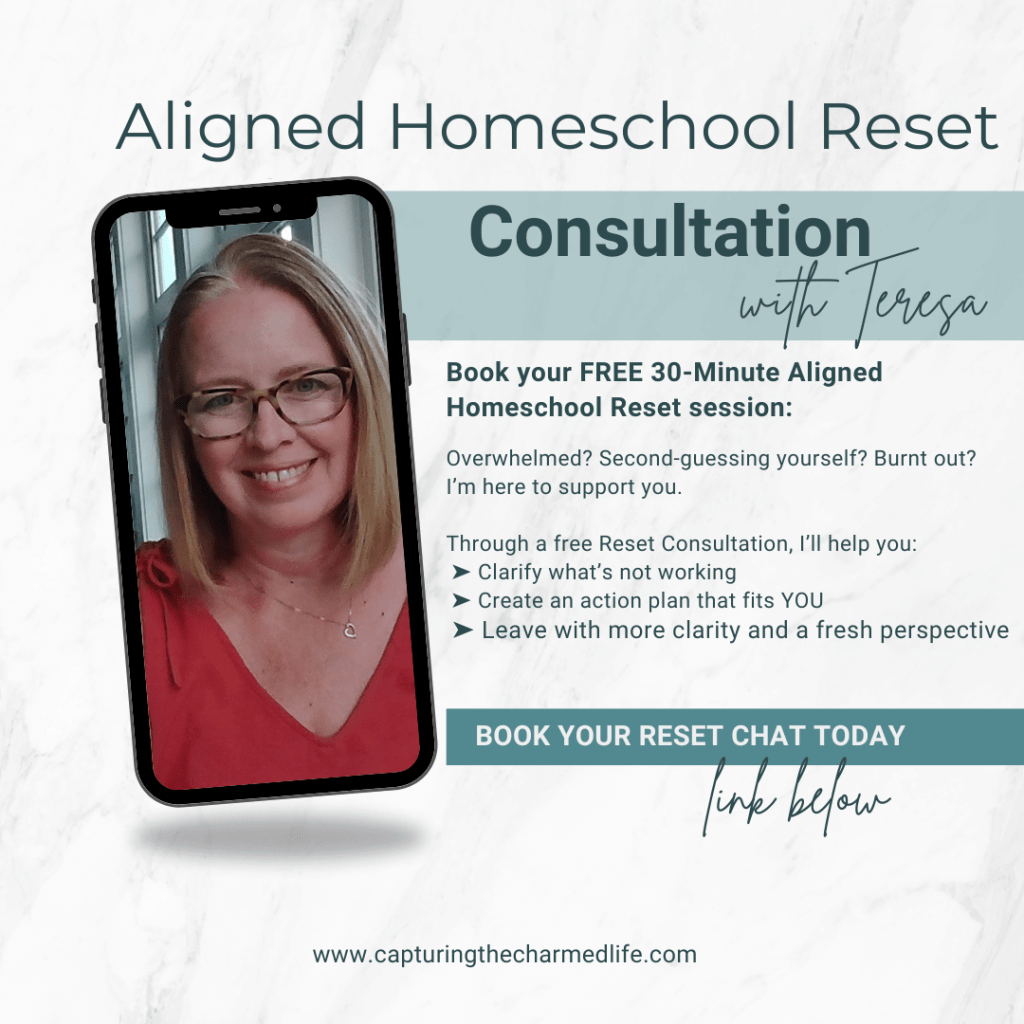
Ready to Finish Homeschooling High School With Clarity and Confidence?
You’ve made it this far. You’ve done something most people wouldn’t dare try. But maybe you’re wondering if what you’ve built is enough — whether your teen will be ready for college, for work, for life. Whether the transcript will hold up. Whether you’ve covered what matters.
That little voice? The one that gets louder the closer graduation gets?
That’s exactly why I created the Aligned Homeschool Reset Session.
This isn’t a generic homeschool consult. It’s a focused 1:1 conversation built specifically for the mom who has been doing the work — unschooling high school, following her kid’s lead, trusting the process — and who just needs someone to help her see clearly what she’s actually built.
In our session together, you’ll:
- Get clarity on what your high schooler actually needs right now — not what a conventional school would require
- Learn how to confidently answer “But will they get into college?” and every other version of that question
- Identify the real strengths your teen is already building — and how to name and document them
- Walk away with a simple, aligned plan for finishing these years with calm, confidence, and a whole lot less second-guessing
Most homeschool moms spend the high school years worrying about the wrong things. It’s not the curriculum gaps or the transcript format that will hold your teen back. It’s you — uncertain, second-guessing, white-knuckling through years that were meant to feel good. Clarity changes everything.
👉 Book your FREE Aligned Homeschool Reset Session today
The Mindset Shift Every Homeschooling High School Mom Needs When They Learn How to Unschool High School and Prepare for College
Most resources for homeschooling high school focus on transcripts, credit hours, and college admissions. And yes — those things matter. But they skip the piece that actually determines whether these years feel sustainable or suffocating:
You.
Your mindset. Your confidence. Your sense of self inside a season that asks an enormous amount of you.
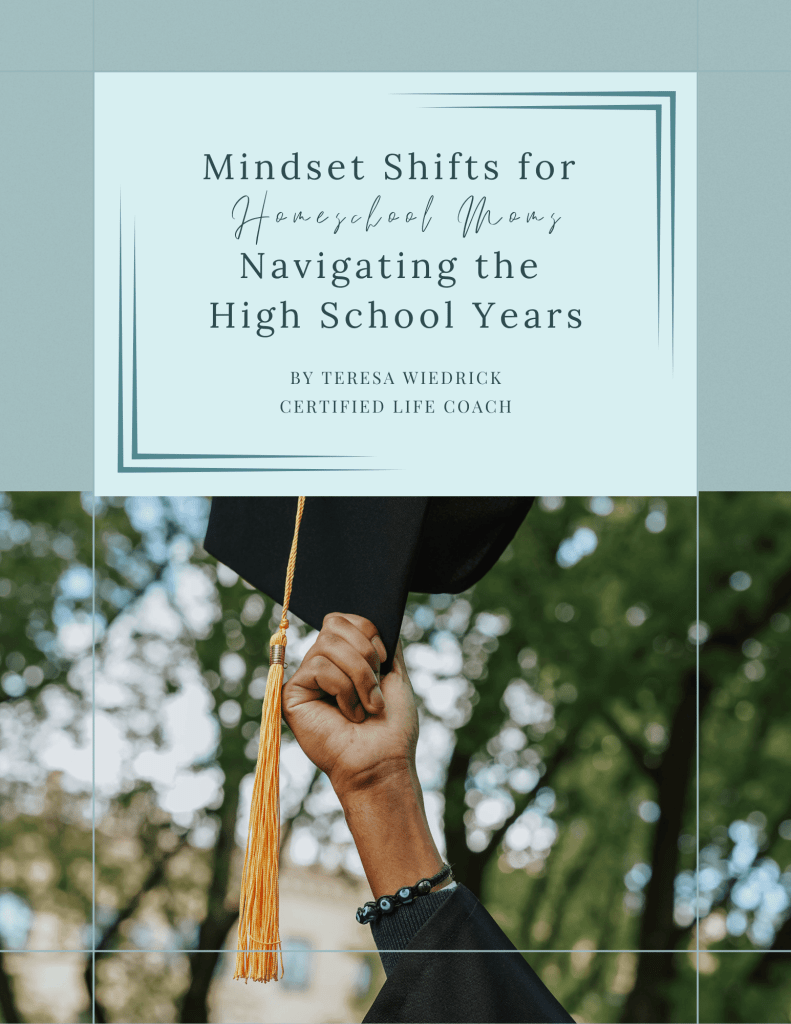
That’s what Mindset Shifts for Homeschool Moms Navigating the High School Years is about. It’s not a curriculum guide. It’s a workbook written for the mom who is holding this whole thing together and wondering, quietly, if she’s really equipped for what’s ahead.
Inside you’ll find:
- Clarity on what success actually looks like for your family — not the conventional version
- Communication frameworks for collaborating with a teen who is becoming their own person
- Self-care strategies that fit into a full, real homeschool life
- Guided journal prompts to work through the doubts, the transitions, and the identity shifts this season quietly brings
If you’re ready to step into the high school years with intention rather than anxiety — this is where to start.
👉 Get Mindset Shifts for Homeschool Moms — $10.99
Mindset Shifts for Homeschool Moms: Thriving Through the High School Years
Confidently Homeschool Through the High School Years
Have you seen this shift in your own kids — from learning content to learning how to learn?
What’s made the biggest difference in your homeschool? I’d love to hear from you below.
Have you noticed how your kids learn best — or how their approach to learning has evolved over time? What does “learning how to learn” look like in your homeschool?
Latest episodes
Subscribe to the Homeschool Mama Self-Care podcast
Call to Adventure by Kevin MacLeod
Link: https://incompetech.filmmusic.io/song/3470-call-to-adventure
License: http://creativecommons.org/licenses/by/4.0/
Updated 2026
