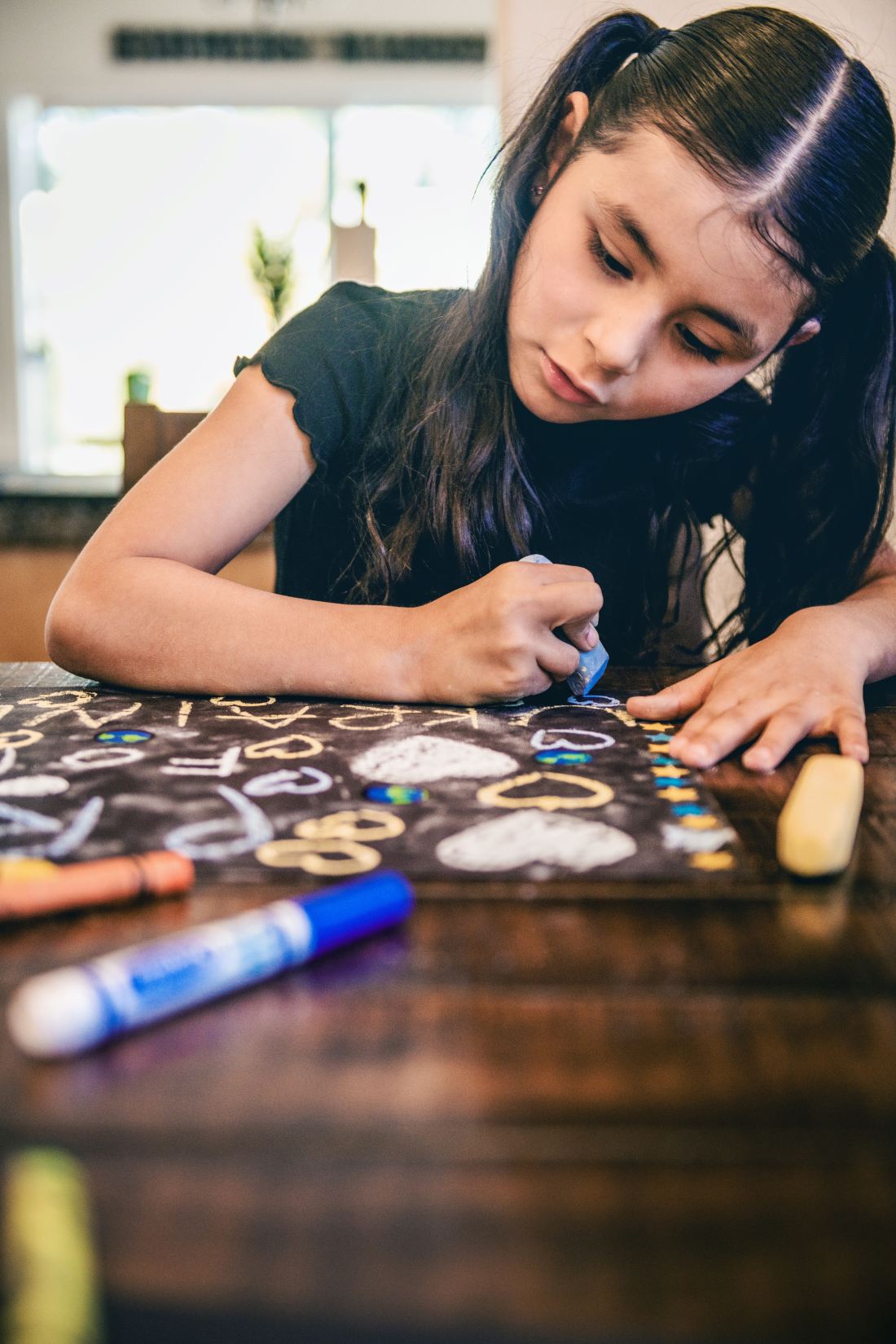
Journaling was such a beneficial practice for me growing up that you will not be surprised to hear I purchased one for each kiddo every school year.
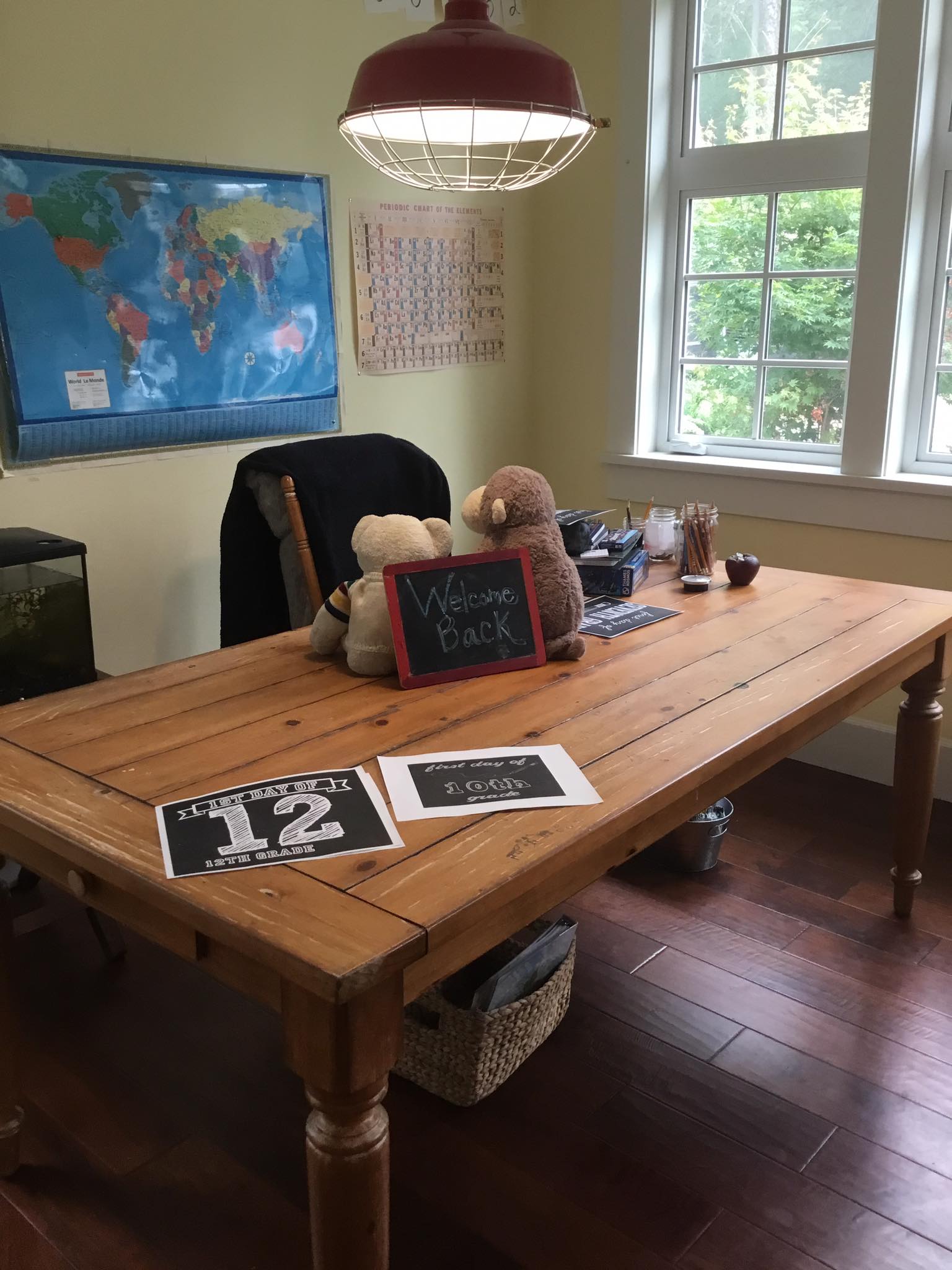
Their new journal was in the fresh book stack on the homeschool table every September with a box of Smarties crowning the stack, (because they were going to get smarter;). There’d also be new readalouds, maybe a new math workbook, a drawing journal, a pack of smelly markers, or a new science kit.
Journals were often part of their birthday gifts and Christmas gifts too. Sometimes even in an Easter basket.
I’ve been asked: how do you get your homeschool kids to journal?
Why encourage homeschool kids to journal?
The same reason you benefit from journaling…
- Stress Relief: Writing down thoughts helps you relax and unwind.
- Memory Keeping: Journals capture your kids’ precious moments and milestones.
- Self-Reflection: Journaling helps you understand your feelings and reflect on your homeschool journey.
- Clarification and Problem-Solving: Writing about challenges can lead to finding solutions more easily.
- Me Time: Journaling is a great way to take a break and focus on yourself.
- Healing: Addressing past traumas that you experience in the present.
- Creative: Enable you to think beyond family demands and tap into a creative self.
- Innovating & ideating: Coming up with the next big idea.
For kids, it does all those things for them too, but it’s also a great way to practice writing in a low-pressure setting too.
Kids can express their thoughts and feelings, which helps with their emotional development. It also boosts creativity and helps them develop a habit of self-reflection.
I share more about incorporating a writing practice into my life here:
- the art of language: ways to approach homeschool writing
- 7 Ways to Incorporate Writing into Your Homeschool Mom Life
- 4 Reasons for Finding Your Writing Voice as a Homeschool Mom
- 11 Useful Guidelines to Spark Creativity for Homeschool Moms
- How to Encourage Homeschool Mama Creativity
Why else might you want to get your homeschool kids to journal?
1. Record interesting moments or experiences, aka travel journaling.
This was something I almost always expected: a journal every time we traveled. A journal for our trip to the Arctic, Italy, Kenya, Ghana, or various European, Canadian, or American locations.
If just for five minutes a day, we’d grab our travel journals while driving and write a few thoughts about where we’d been and what we’d done that day.
Only last January, one of my grown kiddos grabbed her old journals and read through a few entries with me. She was amused at her observations.
For years, in the most demanding season of my mothering years, I kept ruled notebooks on the kitchen counter so I could catch the quips from my kiddos. They were so endearing, charming, and amusing: I intuitively knew these moments should be snatched and memorialized on paper. I was not wrong (some of us are now doing that still in our social media feeds).
2. Have a safe place to express.
When we were kids, we were sometimes frustrated with our siblings, parents, or friends. Our journals could always receive every intense feeling, every description of our frustration, and the ramblings of our hearts.
Our journals are an opportunity to express ourselves without judgment. We can freely speak our truth–and sometimes it is us that needs to hear what’s going on inside us. Our journals are a safe place to receive those thoughts.
Oh, there were times I was very tempted to check in with my child’s aka teenager’s inner world, to understand what in the world was going on with them. If I knew then maybe I could unpack things, create a plan to address them, know how to handle them where they were at.
But almost all my kids’ journals, to this day, continue to reside in my home, despite three of those kids launching, and I have determined to leave them as sacred.
3. Become more aware and observant.
Ask the kids to record their 5 senses wherever they are, in a nature journal, a story journal, or an emotions journal.
(The basic building blocks to writing: observation. And the more we do it, the more observant we become.)
Learning to record our observations and senses helps us become better storytellers and communicators.
Whether my kiddo decided they wanted to use colours to describe their present feelings, create an animated flipbook describing a story of their day/week, or use a classic written word in a classic journal, every observant effort contributes to a child that is more aware and observant of themselves, and others.
4. Journaling enables greater emotional intelligence.
Not only is journaling a safe place to explore their emotions, process them, and understand themselves and what matters, but it breeds greater emotional intelligence which enables more meaningful communication. With more meaningful communication, relationships become more meaningful.
This was my ultimate goal: my kids learned that they had an emotional atmosphere, it needed to be listened to, and it was worth their time exploring it every day.
Hence, the very first thing we did every day after they grabbed their basket of learning activities: journaling for at least 5 minutes.
5. Helps you learn to relate to someone or clarify how to deal with a conflict.
Our kids can learn to determine their next steps in a conflict when they’ve journaled that scenario on paper. They can be a little more objective in how they want to engage their next steps in a conflict (& also, if they journaled it, they likely created space between the heat of the conflict and their next step in resolving it).
I’ve often encouraged my kids to write their thoughts, experiences, and feelings on paper before negotiating or recalibrating with a sibling after a heated argument.
Naturally, I’m eager to listen to their thoughts in person, but transitioning to self-reflecting helps them learn how to navigate conflicts independently.
6. Clearer decision-making.
Writing the pros and cons on paper helps get the swirling thoughts to clarity on page. This works for big people and littler people.
Get the pros and cons out of your head and onto paper. It can breed a clearer sense of purpose for their next steps in life.
When we decided to make a significant move, after I’d read The Homeschool Option and determined we were homeschooling AND after my husband had an epiphany that he needed to make a significant change in his professional environment, we wrote a very clear pros & cons list. Getting our thoughts on paper, makes them much easier to see more clearly.
7. Understand the greater theme and stories of our lives: how we’re making meaning.
When things happen to us, we incorporate those experiences into our life story. (We’re making that life story as we go). When we get it on paper, we get clearer on what that meaning is.
When I became a mother, I began a mothering journal where I recorded my mothering observations every Mother’s Day: oh how my perspective and understanding has expanded over the years!
Naturally, all of these benefits to journaling won’t likely happen for your seven-year-old, but given enough practice, journaling will become such a natural part of a daily routine, that he’ll be doing it until he sees these benefits…eventually.
How can you incorporate journaling into your homeschool kids’ lives?
Include a journal in your morning basket before you do a morning readaloud.
At the beginning of your homeschool routine, ask the kids to journal against a timer…just 5 minutes (gradually increase as their interest reveals).
If your kiddo loves a particular topic, perhaps Minecraft or Titanic, you’ll likely be able to find a journal on almost any theme. Themed journals are packaged in a way that engages kids.
If you can’t find a themed journal your kids prefer, use AI prompts to create them. (Join me in the Confident Homeschool Mom Collective & I’ll show you how to do that).
**You can find clever journal prompts for young writers from Kelly at Curiosity Encouraged.
When you make journaling a regular family routine, your kids will become accustomed to doing it.

Reimagine your Homeschool Workbook
Introducing the Reimagine Your Homeschool Workbook! Reflect on the past year, assess what worked and what didn’t, and build the homeschool you truly want. Evaluate curriculum, routine, philosophy, and plan for the future. Get renewed inspiration and fresh ideas.
What types of journals could you use to get your homeschool kids to journal?
1. Nature Journals
Get outside and explore! Nature journaling involves observing the world around you and jotting down notes, sketches, and thoughts. It could be as simple as sitting in your backyard and describing what you see, or taking a walk in a park and noting different plants and animals. This activity is perfect for integrating science and art into your homeschooling day.
2. Daily Diary
Sometimes, the simplest ideas are the best. Encourage your kids to keep a daily diary where they can write about their day, their thoughts, and their feelings. This can be a wonderful way for them to process their experiences and reflect on their growth over time.
3. Story Starters
Sometimes, the hardest part of writing is getting started. Provide your kids with fun and engaging story starters. For example, “If you could visit any planet, what would it be like?” or “Imagine you found a secret door in your house. Where does it lead?” These prompts spark creativity and can lead to some fantastic stories.
4. Flipbooks (graphic novels) or Art Journals
Not all journaling has to be about writing. Encourage your kids to express themselves through drawing, painting, or collage. They can create visual diaries of their day, their dreams, or anything that inspires them.
With younger kids, using a drawing journal might be realistic. If they aren’t proficient or comfortable writing, they could draw a picture of their experience, their emotions, or their day.
5. Gratitude Journals
Teaching kids to focus on the positive is a wonderful habit. Every day, ask your kids to write down three things they are grateful for. This practice helps foster a positive mindset and can be a lovely way to end the school day.
Don’t forget the homeschool mom.
1. Journaling Together…
Journaling can be a fantastic shared activity. Set aside a specific time each day when you and your kids journal together. You could start with a shared prompt and then discuss what you wrote, or simply enjoy the quiet time together. Here are some ideas to make it a special part of your day.
2. Morning Pages:
Start the day with a few minutes of free writing. It’s a great way to clear your mind and set intentions for the day.
3. Journal Jams:
Make journaling a fun event by having a “journal jam.” Put on some relaxing music, light a candle, and create a cozy environment. You can even include snacks! The goal is to make journaling something to look forward to, not a chore.
4. Shared Journals:
Have a journal that you and your child pass back and forth. Write letters to each other, share stories, or create collaborative art. This can be a beautiful way to communicate and bond.
A Daily Homeschool Mama Journal for You!
Introducing the Daily Homeschool Mama Journal, your perfect companion to build time for yourself! With daily journal questions, weekly planner, and self-care activities, enhance your self-awareness and explore your identity while taking care of yourself. Start practicing self-awareness today!
Designing the Perfect Journal for Homeschool Moms
Creating a journal tailored to your homeschooling journey can be incredibly rewarding. Here are some elements to consider including in your homeschool mom journal:
1. Daily Reflection Pages:
Include prompts that help you reflect on the day’s successes and challenges. Questions like “What went well today?” and “What can we improve tomorrow?” can guide your reflections.
2. Gratitude and Affirmations:
Just like with the kids, keeping a gratitude section helps maintain a positive mindset. Add daily affirmations to keep you motivated and focused.
3. Progress Tracking:
Document your kids’ progress with notes on their achievements, challenges, and milestones. This can be helpful for future planning and reflecting on how far they’ve come.
4. Creative Spaces:
Leave room for doodles, sketches, or even a collage. Sometimes, a bit of creative freedom can spark new ideas or simply provide a relaxing break.
5. Personal Goals:
As homeschool moms, it’s easy to focus entirely on our kids. Remember to set personal goals and track your growth and learning. This could be anything from reading a certain number of books to learning a new skill.
Outside-the-Box Journaling Ideas
Want to keep things interesting? Here are some creative, unconventional journaling practices that might inspire you and your kids:
1. Travel Journals
Even if you’re just exploring your local area, a travel journal can be a fun way to document your adventures. Include maps, ticket stubs, photos, and descriptions of your outings. It’s a great way to practice writing and storytelling.
2. Recipe Journals
Combine cooking and journaling by creating a recipe journal. Document your cooking experiments, write down family recipes, and include notes about what you liked or would change next time. This can also be a sneaky way to incorporate some math (measuring ingredients) and science (baking chemistry) into your day!
3. Dream Journals
Encourage your kids to write about their dreams, whether they’re sleeping dreams or daydreams. It’s a wonderful way to explore their subconscious and can lead to some fascinating discussions.
4. Book Journals
If your kids love reading, a book journal is a perfect fit. They can write reviews of the books they read, draw scenes or characters, and even write alternate endings. It’s a fantastic way to enhance their reading comprehension and critical thinking skills.
5. Mindfulness Journals
Introduce your kids to mindfulness practices by encouraging them to write about their emotions, thoughts, and experiences. You can include exercises like “describe a time when you felt really happy” or “write about a time when you felt challenged and how you overcame it.”
Journaling is a powerful tool for both homeschool kids and parents. It fosters creativity, emotional growth, and effective communication.

Wellness Guide: Homeschool Help for Moms
Introducing Your Ultimate Wellness Guide, an ideal guidebook for homeschool moms seeking effective strategies to maintain physical, mental, and emotional wellbeing. This comprehensive guide offers practical tips, actionable steps, and easy-to-follow instructions to help you prioritize self-care, manage stress, and enhance your overall homeschool experience. Get your copy now and take the first step towards a healthier and happier homeschool mom life!
If you’d like to learn about other writing practices you can include with your kids:
- How to Choose Homeschool Writing Activities for Any Kid
- How to Teach Writing in a Child-Directed Way
- how you can use three fun writing games for homeschool kids
- just write, they say: how to teach writing in homeschool
- the art of language: ways to approach homeschool writing
People also ask about these homeschool mom journals:
- Journaling for the Homeschool Mom to Overcome Overwhelm
- Gratitude Journal for the Homeschool Mama🌼📖
- Big Emotions Journal for the Homeschool Mom
- A Daily Homeschool Mama Journal for You!
- Reimagine your Homeschool Workbook
- Wellness Guide: Homeschool Help for Moms
- Deschool your Homeschool Journaling Workbook
- Build your Boundaries Journaling Workbook
- How to Take Care of the Homeschool Mama: Morning Journaling Routine

Teresa Wiedrick
I help overwhelmed homeschool mamas shed what’s not working in their homeschool & life, so they can show up authentically, purposefully, and confidently in their homeschool & life.
