
Podcast: Play in new window | Download
Can I homeschool my child? If you’ve been asking yourself that question, and wondering if you’ll ever feel confident in your homeschooling choice, you’re not alone.
From one homeschool mama to another, I’ll tell you: confidence doesn’t just happen. Some homeschool moms have done this homeschool thing for years and still don’t declare confidence. (If you’re still deciding, you might also like Should you be a homeschool mom: how do you know you’ve got what it takes?)
The nine steps below are the ones I’ve used myself and with the homeschool moms I coach.
Can I Homeschool My Child Confidently?
You will undoubtedly 😉 question your homeschool choice in many different directions before you finally decide you’ve had enough of doubting.
- You want to enjoy these homeschool years and be fully present doing them (or at least be present more often than not).
- Deep down, you hope the choices you’re making today will bear out in something useful and purposeful for your kid’s education and their lives (oh, and that you’re not wasting your life either).
- Owning your choices matters because you want to be at peace.
- These homeschool days are precious, and you want to fully appreciate them because you only have these kids for an abbreviated period of time.
- It would be lovely if others appreciated your homeschool choice too, but you know that might not happen any time soon, if ever.
And you have way too much to do to be worrying about whether you should even have started this homeschool thing in the first place. Worry is a time suck, and you’re tired of wasting time.
So can you be confident? In a word, yes. You definitely can be confident.
Not sure where to begin? Grab my free 7-Day Confident Homeschool Roadmap and take one simple step toward confidence each day this week.
How Can a Homeschool Mom Feel Confident Enough to Homeschool Her Child?
Here are 9 ways you can answer the question, can I homeschool my child?
Step 1: Own Your Real Thoughts About Homeschooling Your Child
Why do you not feel confident right now? Be clear about the reasons for your doubt.
Before I give you a few reasons you may be doubting, grab your journal and write your first three to five thoughts on why you might be doubting your homeschool choice. (P.S. I’d love to hear those thoughts, so if you want to send them to me, you may do so at [email protected].)
- Do you doubt your ability to tackle a particular subject or topic, like teaching them to read, understanding the basics of essay structure, or remembering what line graphs are?
- Maybe you question whether you can consistently do or organize educational activities.
- Are you worried your kids won’t want to do anything beyond spending time with their screens?
- What will you do when they say they’re bored?
- Can you create an effective homeschool routine that you’ll actually follow through with?
- If your child has a learning challenge, do you wonder whether you can still offer a home education?
- Perhaps the schooled people you know are pretty confident that their way is better, and that shakes you.
- Does your patience or emotional capacity feel too thin to be with your homeschool kids all the time?
Name the Doubt So You Can Face It
Sometimes there’s energy beneath that doubt that feels kinda vague. But we generally know that that feeling, that energy coursing through our bodies, or the heat coursing through our palms or gut, is probably anxiety, worry, or doubt.
And we can only get to its root if we can name it.
So what is the reason for your doubt? Get specific, write it down, and look at it. Is that all there is to your doubt, or are there more reasons? Now that you’ve written your doubts on paper, how would you address a friend who had those doubts?
For a deeper dive, read How to Address Doubt in your Homeschool Choice with Confidence & Intention. Once your doubts are on paper, the next step is saying them out loud to someone who gets it.

Step 2: Be Vulnerable About Your Doubts With Homeschool-Supportive People
Share your reasons with someone, but please, choose someone you believe to be “homeschool-supportive.” Why reveal your deepest, darkest concerns to someone who won’t know how to support you?
(You know they’ll just tell you to send the kids to school: a magical pill for the non-homeschool masses.)
When you share your vulnerabilities with others who know the unique challenges and joys of homeschool life, you’ll be able to genuinely air your thoughts, get advice, gain insights, and discover the clarity that decreases doubt and increases confidence.
But where do you find those people? Not every homeschool mom has a supportive friend down the street, and that’s exactly why I created the Confident Homeschool Mom Collective. It’s a community for authentic, intentional homeschool mamas who want to show up on purpose, with a group specially designed for 1st-year homeschool mamas and another for 2nd- to 5th-year homeschool mamas. Inside, you’ll find workshops from me and other coaches who serve the homeschool community. Come check it out!
Prefer to talk it through one-on-one? Sometimes a group isn’t the right first step, and you’d rather have someone walk alongside you as you explore your doubts. If that’s you, book a free call to connect with me. (Curious what that looks like? Here’s what mamas are saying about Homeschool Life Coach.)
Step 3: Notice When Other People’s Opinions Take Over
Other people’s thoughts have value, of course. If someone thinks differently than you, that conversation can be a useful opportunity to clarify what you think or get new ideas. Sometimes other people’s thoughts help us get clear about our own, even if their arguments don’t ring true.
One of the most repeated voices that distract us is the collective voice of what others might think.
As a television actress, Lucille Ball had plenty of practice responding to other people’s opinions, and she learned, “Not everyone likes me, but not everyone matters.”
Don’t ask what other people think about whether you can homeschool your child. You get to decide!
Step 4: Research Why You Want to Homeschool Your Child
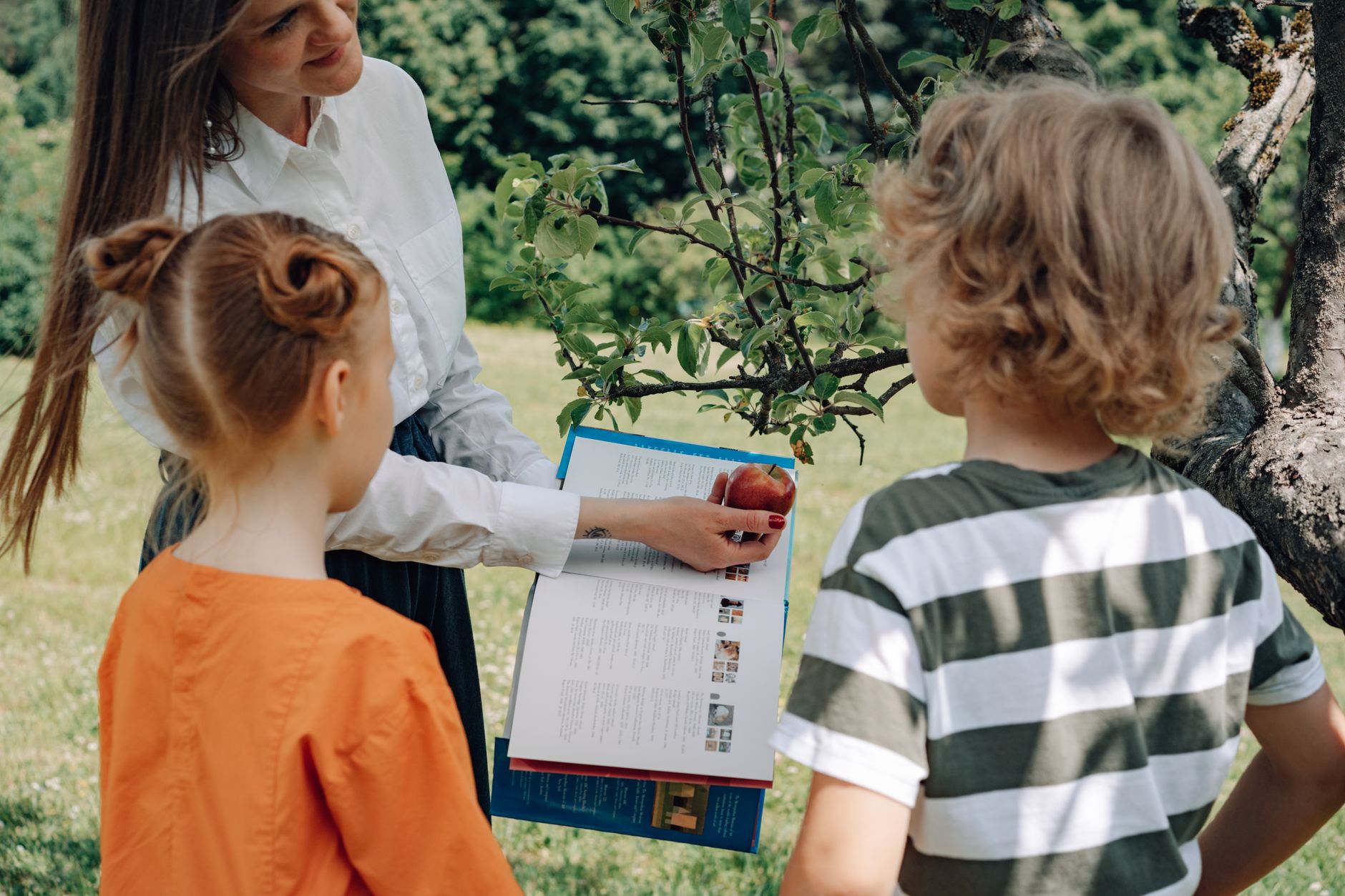
I don’t mean researching and planning new curricula, resources, or philosophies (though if you’re stuck there, read How do I decide what kind of curriculum I should use?).
Research and plan:
- why you’re doing what you’re doing (Why do you want to deschool? and the Practical Deschool your Homeschool Checklist are good places to start)
- what you believe an education to be anyway
- how your child learns (see How to Do Child-Led Learning)
- what challenges may have led you to withdraw your child from a conventional education
- what your relationship with doubt is
Having well-thought-out intentions for this homeschool thing will be your due north, your reminder to come back to the most important thing: your WHY. This plan will boost your confidence and ensure a well-rounded education.
Step 5: Embrace Your Strengths So You Can Homeschool and Have Fun Too
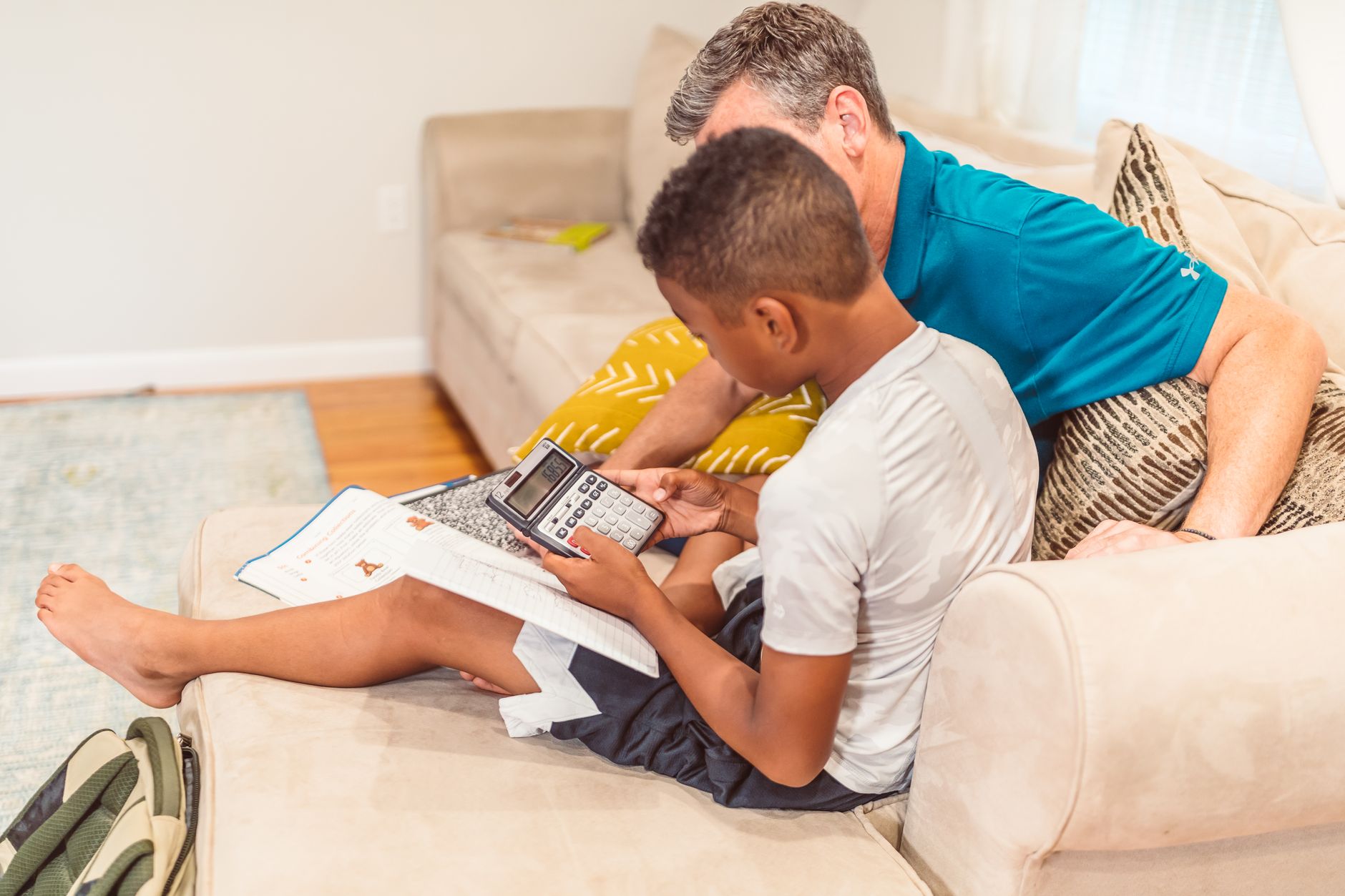
Recognize and capitalize on your unique strengths as a homeschooling parent.
- What do you do that is especially amazing?
- Do you have a gift for a certain kind of creativity?
- Are you organized and know how to round out a kid’s education in an interesting way?
- Do you know how to stay steady as a parent when under stress?
Whether it’s your creativity, patience, or expertise, leverage these qualities to create engaging and personalized learning experiences for your kiddos.
Step 6: Set Realistic Expectations for Yourself and Your Child
Unrealistic expectations will make you self-sabotage and definitely not feel confident homeschooling your child.
Homeschooling can be challenging, and it’s important to regularly assess your expectations. Incorporate self-awareness practices, like journaling, meditation, mindfulness moments, and coaching appointments, so you can set realistic expectations for yourself and your child. Coaching, in particular, gives you space to untangle your expectations with someone who isn’t living inside your homeschool; you can learn more about my Reimagine your Homeschool Coaching Services.
And get regular time away.
Honour and acknowledge your humanity as a homeschool mom too: you have needs, you can’t do everything, you won’t do everything flawlessly, and every day won’t be your best day. These posts can help: Homeschool Help for Mom: Create a Plan for your Big Emotions and Confident Homeschooling: Mastering Your Boundaries.

Step 7: Practice Your Flexibility and Adaptability Muscles
Stay open to trying new approaches and adjusting your methods if something isn’t working. Your commitment isn’t to a method or approach; it’s to your child. (More on that in Rethinking Homeschooling: It’s About the Child, Not the Method.)
Homeschooling allows for personalized learning, so embrace the freedom to tailor your approach to your child’s needs. That means you need to listen to your children. Take cues from who they are and how they learn.
And as with all mothering, you can make your plans, but girlfriend, life happens, and sometimes it requires us to shift and change. Life will require flexibility and adaptability.
Step 8: Celebrate Your Homeschool Progress With Your Child
Take time to celebrate both big and small achievements with your child. These are some of the things we have done:
- Our first day of homeschool became a not-back-to-homeschool day.
- We’ve had not-back-to-school picnics.
- 100-day parties and Fridays (just because they’re Fridays) get celebrated too.
- The kids’ birthdays are always holidays for a homeschool family.
Find reasons to celebrate! Recognizing their progress and milestones will not only boost their confidence but also remind you of the positive impact you’re making as a homeschooling parent. Wondering how to measure it? Read How do I know if I’m successful in homeschooling?

Step 9: Trust Yourself. Yes, You Can Homeschool Your Child
Believe in your abilities as a mother educator. (Relisten to Teach your Kids Confidently even if You’re not a Certified Educator from a few episodes back, and read Can I teach my own kids?)
Learn to trust the choices you’re making for your child’s education and their lives.
Note to self: though the education system has warm bodies on the local school’s planning committee setting next year’s educational goals, those plans are not the true north for every child’s education either.
(How do I know? Just ask yourself: did my education serve me so that I would live life purposefully, equipped to become who I was meant to be? Did it prepare me or spur me on to find my own reason for being on the planet? No? Well then, you don’t need to compare your plans with the school’s plans.)
There’s No One Right Way to Homeschool Your Child
If you want to trust yourself, you need to remember that there is not one right way to homeschool. You’re not going to find the perfect way, the perfect curriculum, or the perfect approach. And even if you found it, you wouldn’t be able to perfectly enact it. (For more on this, read The Myth of the Perfect Homeschool: 3 Common Challenges.)
You won’t always choose the right activities. Engaging your kids as the ideal mother won’t happen every day, either. And you will make choices you think are right in the moment that you later decide weren’t the best or most informed choice. (If that feeling of “not enough” sounds familiar, read Overcoming Imposter Syndrome: How to Build Confidence as a Homeschool Mom.)
No one does this mothering thing perfectly. And no one does this education thing perfectly. No one. Not the school. And not one human parent out there.
There is not one right way to be a perfect mother, but there are a thousand ways to mother with love. And there’s not one right way to homeschool either.
Let Your Child Be Your True North
The closest to true north you can get is to look into the eyes of your child and ask:
- Who are you?
- Why do you need to be on the planet?
- What do we need to do to nurture you, prepare you, and encourage you, so you can live your life purposefully for such a time as this?
Then listen.
You can use this one person as your true north: the one getting the education and living the life, your child.
So take a deep cleansing breath, and accept your perfectly imperfect homeschool life. Do it in whatever way seems right to you today, and continue to learn and process and grow and discover a new way tomorrow.
Resources If You’re Getting Started Homeschooling Your Child
- Planning for Upcoming Homeschool in 11 Essential Steps
- How do I unschool?
- A simple guide to homeschool without a homeschool room
- How to positively influence my homeschool mama thoughts so I can enjoy my homeschool
- Reimagine your Homeschool: Nine Simple Steps to Plan
- 9 Steps to Thrive: Confident Homeschool Mom in Year 1
- How Brené Brown’s Inspiring Thoughts have Informed my Homeschool
So, Can I Homeschool My Child? Absolutely!
Remember, you know your child best and have their best interests at heart.
The shift from a schooled mindset to a confident homeschool mindset doesn’t happen just by stepping into the homeschool world. Homeschooling confidently is an ongoing journey, and it’s normal to have moments of uncertainty. By putting these tips and strategies into practice, you’ll build a strong foundation and feel more empowered in your homeschooling adventure.
So can you homeschool your child? Absolutely!
Your Next Step Toward Homeschooling Your Child With Confidence
Knowing you can homeschool your child is one thing. Getting through that first year without burning out is another. Most new homeschool moms stumble over the same handful of mistakes, and I’d love to help you sidestep them.
That’s why I wrote The New Homeschooler’s Quick Guide: 9 Mistakes to Avoid for a Stress-Free First Year. Crafted from years of homeschooling my own kids, this Quick Guide is your roadmap to a confident, successful start.

The New Homeschooler’s Quick Guide: 9 Mistakes to Avoid for a Stress-Free First Year
“The New Homeschooler’s Quick Guide: 9 Mistakes to Avoid for a Stress-Free First Year” will help you confidently begin your homeschooling journey! This Quick Guide, crafted by an experienced homeschool parent, is your roadmap to a successful start.
Want Personalized Support? Let’s Talk
Want more than a guide? If you’d like personalized support as you build your homeschool confidence, one-on-one coaching might be the right fit. Book a free consultation here, and we’ll talk about what your homeschool needs most right now.
Subscribe to the Confident Homeschool Mom podcast
Originally published June 23, 2023. Updated September 26, 2026.
Call to Adventure by Kevin MacLeod
Link: https://incompetech.filmmusic.io/song/3470-call-to-adventure
License: http://creativecommons.org/licenses/by/4.0/
